
What the Discontinuation of the EST3X and EST3 Fire Alarm Systems Means for Building Owners
Fire alarm systems are designed to protect lives and property for many years, but like any technology, they eventually reach the end of their manufacturer support cycle. Recently, Edwards announced that both the EST3X and EST3 fire alarm systems will be phased out. For building owners and facility managers, understanding what this means—and planning ahead—can help avoid unnecessary costs and operational disruptions.
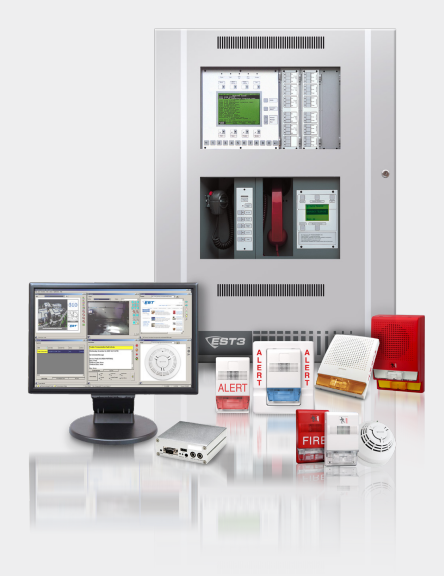
DISCONTINUATION TIMELINE
Edwards has announced the following timeline for these systems:
EST3X: Discontinued in the first quarter of 2025
EST3: Scheduled to be sunset in the fourth quarter of 2026
After these dates, the manufacturer will no longer produce replacement parts for these fire alarm control panels. While some components may still be available through remaining inventories or secondary markets, supply will become increasingly limited over time with increased costs.
WHY REPLACEMENT PARTS ARE BECOMING MORE EXPENSIVE
As systems approach end-of-life, several market factors typically affect the availability and pricing of replacement components:
- Reduced Manufacturing – Once a product line is discontinued, manufacturers scale back or completely stop producing parts.
- Limited Inventory – Distributors and service providers rely on remaining stock, which gradually becomes depleted.
- Increased Demand – As building owners prepare for upgrades—or experience component failures—demand for remaining parts rises.
In many cases, this combination leads to significant price increases and longer lead times for critical components. Some parts may become difficult to source entirely.
OPERATIONAL RISKS OF AN AGING FIRE ALARM SYSTEM
When replacement parts become scarce, maintaining an older fire alarm system can present operational challenges including:
- Extended repair times due to limited part availability
- Higher maintenance costs as components become harder to source
- Potential system downtime while waiting for parts
- Costly fire watch requirements if the system cannot be restored quickly
- Compliance concerns depending on local codes and inspection requirements
While many older systems continue to function reliably, these risks tend to increase as manufacturer support winds down. Taking a proactive approach to system modernization offers several advantages including
- Predictable Budgeting
- Planning an upgrade in advance allows organizations to schedule capital improvements strategically, rather than reacting to an emergency failure.
- Reduced Operational Disruption
- Upgrades can be planned around building operations, reducing downtime and minimizing impact to occupants.
- Improved System Reliability
- Modern fire alarm systems provide enhanced diagnostics, better integration capabilities, and improved long-term serviceability.
- Continued Code Compliance
AVOIDING AN UNNECCESARY FULL SYSTEM REPLACEMENT
One challenge building owners sometimes face when older fire alarm systems reach end-of-life is the assumption that the entire system must be completely replaced. In many cases, when a different manufacturer is selected, the upgrade requires replacing every device in the system—including pull stations, smoke detectors, heat detectors, modules, and notification devices. Because most fire alarm devices are proprietary to their control panel, these components typically cannot communicate with another brand of fire alarm panel. This type of full replacement can significantly increase project costs.
Edwards systems are backwards compatible meaning upgrade paths exist that allow building owners to reuse much of the existing field equipment, replacing primarily the control panel and core infrastructure. When viable, this approach can reduce both project cost and installation complexity. Learn more about Edwards backward compatibility HERE.
Across the industry, many facilities have unknowingly moved to entirely new systems when alternative upgrade paths were available. In those cases, building owners could have saved tens of thousands of dollars simply by understanding the options before making a decision. For this reason, when evaluating the future of an aging fire alarm system, it is valuable to review multiple upgrade strategies with a qualified fire protection professional before committing to a complete system replacement.
 WORKING WITH A QUALIFIED PARTNER
Advanced Fire Protection Services (AFPS) is an Edwards Strategic Partner, which means our technicians receive direct manufacturer training and support for Edwards fire alarm platforms and technologies. This partnership allows AFPS to assist building owners and facility managers with the full lifecycle of their fire alarm systems, including:
- System evaluations and lifecycle planning
- Upgrade and modernization strategies
- System design and installation
- Inspection, testing, and maintenance
- Ongoing service and technical support
If your building contains an older fire alarm platform—or if you’re unsure of your system’s lifecycle—it may be worthwhile to evaluate the current condition, support status, and long-term serviceability of your equipment. Understanding where your system stands today can help you make informed decisions about maintenance, modernization, and budgeting for future years.
For more information about upgrading your Edwards system or other fire alarm system requests contact:
Michael Sudheimer
michaels@wesavelives.com
850-276-2600